Your Horse is Reading Your Mind: How Your Thoughts Shape Your Relationship
The Mind Shapes Reality
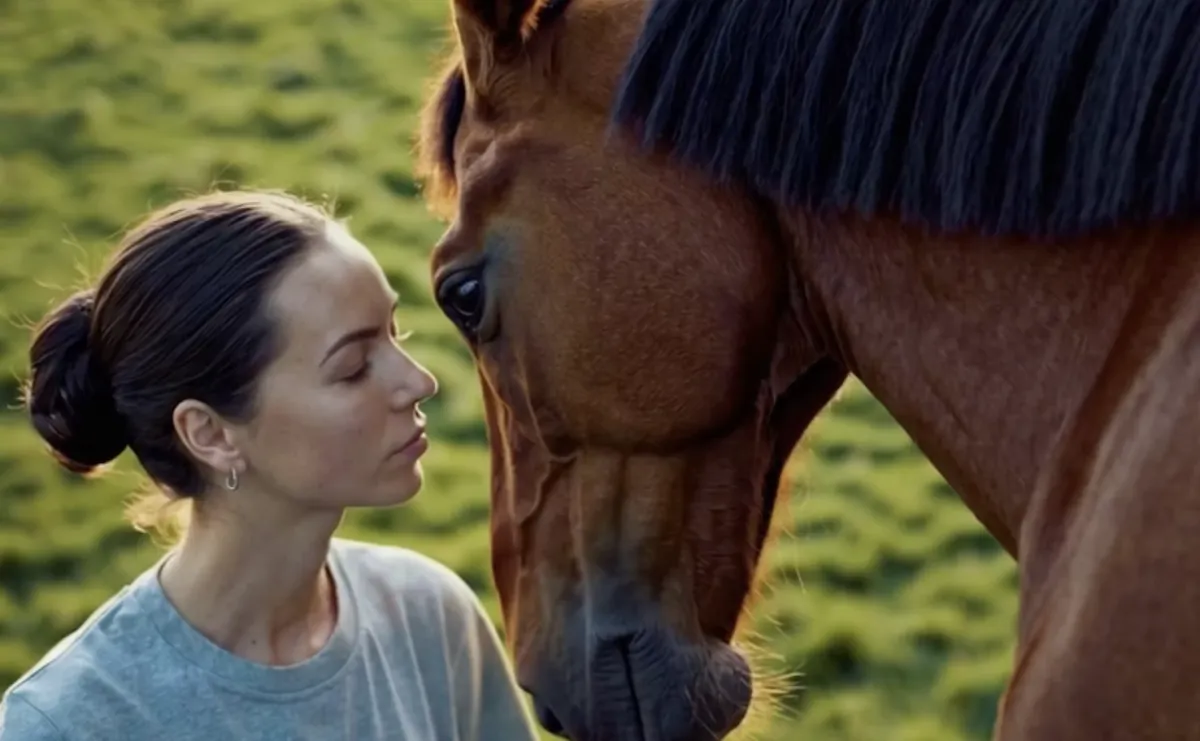
Have you ever noticed how your horse seems to respond to the emotional state you bring into the barn? On days when you are calm, confident, and present, your horse often responds with softness and willingness. But when you arrive feeling stressed, frustrated, or uncertain, your horse may suddenly become tense, resistant, or unpredictable. This is not a coincidence. It is a fundamental truth aboutenergy, awareness, and the horse-human connection.
In this blog, we explore the Law of Mentalis and the Law of Assumption, two powerful principles rooted in Hermetic philosophy, neuroscience, and equine behavior research. These principles remind us thatour thoughts, beliefs, and expectations influence how horses respond to us. When we shift from force-based training to intentional presence and energetic leadership, we create a deeper and more authentic partnership with our horse.
Your Mind Creates Your Reality (For You and Your Horse)
The Law of Mentalism, one of the Seven Hermetic Principles, teaches that everything begins in the mind. In other words, the way we think influences the way we experience reality. Modern neuroscience supports this concept by showing that the brain constantly reinforces patterns that match our existing beliefs.
Neuroscientist Dr. Joe Dispenza, author ofBreaking the Habit of Being Yourself, explains that when we repeatedly think the same thoughts, we strengthen neural pathways that make those beliefs feel increasingly real. If a rider believes their horse is stubborn, difficult, or resistant, subtle changes in posture, tone of voice, and body language often reinforce that belief. Horses are incredibly perceptive animals, and they respond to these signals immediately.
The encouraging news is that the brain isneuroplastic, meaning it can form new patterns and pathways. When riders intentionally shift their expectations toward trust, softness, and connection, their mindset changes. As their internal state shifts, their horse often responds differently as well.
The Power of Assumption: What You Expect, You Create
The Law of Assumption, popularized by Neville Goddard, suggests that the beliefs we hold about an outcome influence how it unfolds. When riders genuinely expect their horse to be willing, curious, and responsive, their energy and behavior naturally begin to support that outcome.
This concept is not purely philosophical. It is supported by equine behavior research. Studies published in Applied Animal Behaviour Scienceshow that horses are highly sensitive to human emotional cues. Horses can distinguish between human facial expressions and emotional states, responding differently to calm handlers versus tense or anxious ones.
Consider two common scenarios.
If a rider approaches their horse expecting resistance, their body often becomes tense. Their cues may become sharper, their breathing shallow, and their movements rushed. The horse senses this stress and responds cautiously or defensively.
If a rider approaches with patience, confidence, and trust, their body language softens. Their breathing slows. Their cues become clearer. The horse perceives this steadiness and is more likely to engage willingly.
The difference begins with mindset.
But what happens when a horse has experienced trauma?
Many caring owners unintentionally keep their horses stuck in the past by constantly referencing their trauma through language, expectation, and energy. If a horse is repeatedly treated as fragile, damaged, or fearful, they often continue embodying that role because it is the story being reinforced.
Horses do not dwell on the past the way humans do. They respond to the state of the present moment and the expectations projected toward them.
This does not mean ignoring a horse's history. It means creating a new narrative that allows the horse to move forward.
When you begin interacting with your horse as if they are capable, resilient, and learning to trust again, your behavior begins supporting that growth. Instead of reinforcing fear, you create an environment where confidence can emerge.
Horses recovering from trauma do not only need physical rehabilitation. They also needclear, calm leadership that believes in their ability to heal.
What you assume about your horse becomes the space they grow into.
How to Shift From Force to Flow
Many traditional horse training systems rely on dominance and control, assuming the horse must be pressured into compliance. But horses are social animals that thrive on harmony, safety, and clear communication.
Rather than forcing behavior, riders can guide their horses through energetic leadership, a concept echoed in modern horsemanship approaches taught by trainers such as Mark Rashid and Warwick Schiller.
3 Ways to Shift Your Energy for a Stronger Horse Human Connection
1. Regulate Your Emotions Before Interacting With Your Horse
According to polyvagal theory, developed by Dr. Stephen Porges, mammals regulate their nervous systems through interactions with their environment. Horses are especially sensitive to the emotional states of those around them.
If you enter the barn carrying stress, frustration, or urgency, your horse will sense that shift and may become more alert or defensive.
Try this simple reset exercise before approaching your horse:
Inhale slowly for four counts
Hold your breath for four counts
Exhale gently for six counts
Repeat three times.
Why it works:
This breathing pattern activates the parasympathetic nervous system, signaling calm and safety. Horses often respond to this shift by relaxing and becoming more receptive.
2. Set an Intention for Your Session
Instead of approaching your horse with pressure or rigid expectations, begin your session with a clear and positive intention.
Rather than thinking,
“I need my horse to behave today.”
Try reframing your intention:
“Today I will focus on trust and softness.”
“I am showing up with patience and presence.”
“My horse and I are already moving toward harmony.”
Research published in the Journal of Veterinary Behavior shows that positive reinforcement-based training methods lead to greater cooperation and engagement from horses compared to punishment-based approaches.
Your mindset shapes the environment in which learning happens.
3. Use Visualization to Strengthen the Connection
Elite equestrians frequently use visualization techniques to mentally rehearse successful rides before they occur.
Olympic event rider William Fox-Pitt has spoken openly about mentally rehearsing cross-country courses before ever riding them. He visualizes each jump, his horse’s stride, and the feeling of moving confidently through the course.
Mental rehearsal works because the brain often activates thesame neural pathways during visualization as it does during physical action.
Try this simple exercise before your next ride:
Find a quiet space.
Close your eyes and picture your ideal connection with your horse.
Imagine your horse moving calmly and willingly with you.
Feel the emotions of trust, confidence, and ease.
A 2014 study published in Frontiers in Human Neuroscience found that athletes who practiced mental imagery activated the same brain regions used during real movement, improving coordination and performance.
The same principle applies to horsemanship.
How I Have Used These Principles in My Own Journey
For more than twenty years, I have applied these principles throughout my work with horses. From dressage training to gentling wild mustangs and rehabilitating emotionally challenged horses, the role of mindset and energy has been undeniable.
Early in my career, I saw how quickly horses responded to subtle shifts in my internal state. When I approached a mustang with doubt or hesitation, they immediately mirrored that uncertainty. But when I stepped into calm confidence and clarity, the horse’s response shifted as well.
In dressage, visualization has helped me refine movements before even stepping into the saddle. By mentally preparing for the ride, I arrive focused and aligned before asking the horse for precision.
In rehabilitation work, I have seen horses labeled dangerous or untrainable completely transform when given a safe, trusting relationship environment and clear leadership.
These experiences have reinforced a powerful truth. Our thoughts shape our reality, and our horses respond to the state of mind we bring to the relationship.
Final Thoughts: Your Horse Reflects Your State
Your horse is constantly responding to the energy you bring into the interaction. When you approach with calm presence, patience, and trust, your horse begins to mirror that stability.
The more you understand that your mindset shapes your relationship with your horse, the more intentional your interactions become.
Try this before your next session.
Pause and set a positive assumption:
“My horse and I are connected and working together.”
“We are already moving in harmony.”
“I lead with calm confidence and clarity.”
Observe what changes in your horse.
And perhaps more importantly, notice what changes in you.
Join the Conversation
Thank you for taking the time to read this post! I'd love to hear your thoughts, questions, or experiences. Feel free to share them in the comments below. If you found this blog helpful, please share it with fellow equestrians who might benefit from these insights. Together, we can build a more compassionate and connected equine community! 🐴✨
Connect
If you're inspired to 𝗱𝗲𝗲𝗽𝗲𝗻 𝘆𝗼𝘂𝗿 𝗰𝗼𝗻𝗻𝗲𝗰𝘁𝗶𝗼𝗻 with your horse and explore more tools for harmony and growth, click here to join our FREE Equine Wisdom Institute community on Skool! It's a supportive space for 𝗹𝗶𝗸𝗲-𝗺𝗶𝗻𝗱𝗲𝗱 𝗲𝗾𝘂𝗲𝘀𝘁𝗿𝗶𝗮𝗻𝘀 𝘁𝗼 𝘀𝗵𝗮𝗿𝗲, 𝗹𝗲𝗮𝗿𝗻, 𝗮𝗻𝗱 𝗴𝗿𝗼𝘄 𝘁𝗼𝗴𝗲𝘁𝗵𝗲𝗿 on this incredible journey with our equine partners.
Join our list!
Click here to be notified of new blogs, trainings, and upcoming events.
References & Additional Resources
Gehrke, E. K., Baldwin, A., & Scharmann, S. (2011). "The Effects of Human-Horse Heart Rate Synchronization During Interaction." Journal of Equine Veterinary Science.
Brandt, C. (2013). "Equine-Facilitated Psychotherapy as a Complementary Treatment Intervention." Animals.


